
The Allure of Chance and Risk
The excitement of gambling often stems from the thrill of chance and the unknown. When players step into a casino, they are enveloped in an atmosphere charged with possibilities. The unpredictability of winning enhances the appeal of games, as it taps into our innate desire for risk-taking. This psychological phenomenon is deeply rooted in our biology; the brain releases dopamine, a neurotransmitter associated with pleasure, when we experience risk and reward. This chemical reaction not only reinforces the desire to play but also heightens the emotional stakes involved. Many players also explore casinos not on gamstop to find alternative gaming experiences.
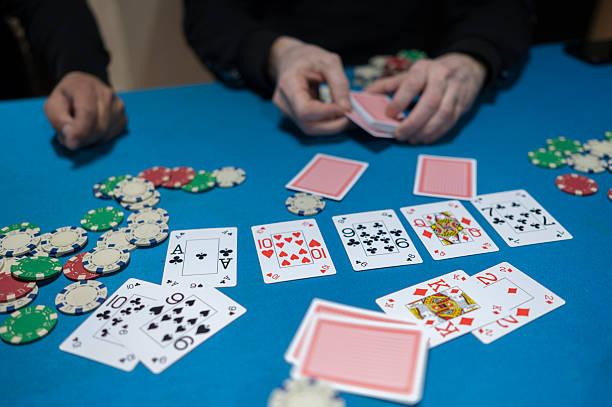
Moreover, the anticipation of a potential win creates a captivating dynamic. Players are drawn into the moment, their hearts racing as they await the outcome. This psychological and physiological rush can lead to a cycle of repeated engagement, where the excitement of each game keeps players coming back for more. Understanding this compulsion offers insight into why many individuals are willing to invest time and money into casino games, sometimes despite the odds being stacked against them.
Social Interaction and Community
Casinos are designed not only as venues for gambling but also as spaces for social interaction. Players often enjoy the communal experience of engaging with others, sharing their wins and losses. This social element can significantly enhance the enjoyment of casino games, making the activity feel more like a shared adventure rather than a solitary endeavor. The camaraderie that develops among players fosters a sense of belonging, which is a powerful motivator for participation.
In addition, many casinos offer games that promote interaction, such as poker and blackjack, where players engage directly with one another. These interactions can create a supportive environment that encourages players to take more risks. The psychological aspect of competition—wanting to outperform others—also fuels the desire to engage in these games, as players seek validation and thrill in their achievements against fellow gamblers.
The Role of Environment and Design
The casino environment plays a crucial role in influencing player behavior. From the sounds of ringing slot machines to the vibrant colors and strategically placed lights, every element is designed to capture attention and maximize engagement. This atmospheric design triggers specific psychological responses, creating a sensory experience that makes players feel more immersed in the action. The layout encourages exploration and movement, leading players deeper into the gaming ecosystem.
Additionally, many casinos employ techniques such as offering complimentary drinks or free play incentives to keep players engaged longer. This approach leverages the psychological principle of reciprocity, where individuals feel compelled to continue playing in exchange for perceived benefits. By creating an inviting and stimulating atmosphere, casinos effectively heighten the desire to play, reinforcing the psychological ties that keep players returning for more.
The Illusion of Control
A fascinating aspect of gambling psychology is the concept of the illusion of control. Many players believe they have some measure of influence over the outcomes of games, particularly in scenarios like poker or certain betting strategies. This illusion makes the experience more engaging, as players feel empowered and involved in their fate. Cognitive biases, such as the gambler’s fallacy, further feed this notion, causing individuals to chase losses or alter their betting strategies based on past outcomes.
This perceived control can be intoxicating, leading to prolonged gambling sessions and a higher likelihood of risk-taking behavior. Understanding the psychology behind this phenomenon highlights the complexities of human behavior in relation to gambling. It paints a picture of how our minds can sometimes lead us to make irrational choices, driven by the desire to exert influence where none exists.

Understanding the Security of Online Gambling
In the digital age, the landscape of gambling has evolved to include online casinos, which present unique security challenges and considerations. As players navigate these platforms, the protection of their personal and financial information becomes a paramount concern. Understanding the security measures in place, such as encryption and user authentication, helps build trust and encourages responsible gaming.
Furthermore, as online casinos employ advanced technologies to safeguard users, it becomes essential for players to be aware of potential risks and to practice safe gambling habits. This involves recognizing the importance of playing on secure platforms and understanding the implications of gambling addiction. The psychology of gambling, particularly in online environments, emphasizes the need for responsible gaming practices and the significance of knowing when to seek help if a gaming habit spirals out of control.