
Understanding the psychology behind gambling behavior what drives the choice
The Allure of Gambling
The psychology of gambling is a complex interplay of excitement, risk, and reward. The thrill of potentially winning a large sum of money often overshadows the risks involved. Many individuals are drawn to gambling for the adrenaline rush it provides, creating a sense of euphoria that can be difficult to replicate in everyday life. This excitement can lead to a compulsive drive to seek out more gambling opportunities, whether in land-based casinos or through platforms like Betano Casino.

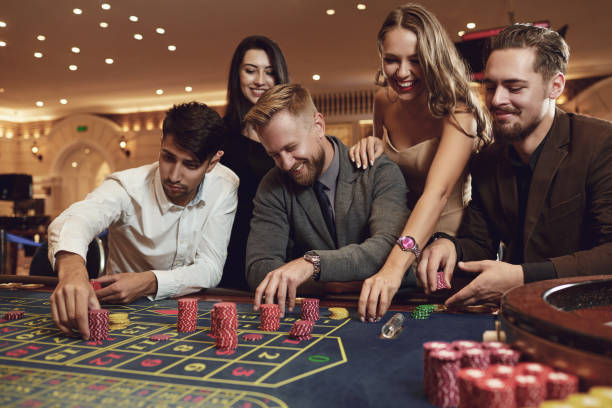
Moreover, the environment in which gambling occurs plays a significant role in shaping behavior. Online platforms create an easily accessible way to gamble, while land-based casinos offer a sensory overload of sounds, lights, and social interactions. This creates an immersive experience that reinforces the desire to play and can lead to longer gambling sessions.
The Role of Cognitive Biases
Cognitive biases heavily influence gambling behavior, often leading individuals to make irrational decisions. For example, the illusion of control allows gamblers to believe they can influence outcomes through their actions, despite games of chance being inherently unpredictable. This belief can foster a persistent gambling habit as players feel empowered by their perceived skills.
Additionally, the gambler’s fallacy plays a significant role in decision-making. This bias leads individuals to believe that past events can influence future outcomes, such as thinking that a slot machine is “due” for a win after a series of losses. Such misconceptions can perpetuate gambling behavior and result in chasing losses, further entrenching individuals in a cycle of gambling.
The anticipation of winning is a powerful motivator in gambling behavior. The excitement that builds before revealing cards or spinning reels can create a dopamine rush, reinforcing the desire to gamble again. This emotional high is often contrasted with the low of losing, creating a cycle of highs and lows that players become addicted to. The emotional rollercoaster keeps players engaged, as they continually seek to replicate the thrill of potential victory.
Loss aversion also plays a critical role in gambling decisions. People generally prefer avoiding losses over acquiring equivalent gains, which can lead to risky behaviors in gambling contexts. The fear of losing can drive individuals to continue playing in hopes of recouping their losses, often leading to more significant financial and emotional strain.
Social Influences on Gambling
Social interactions significantly impact gambling behavior, whether through peer influence or community norms. Many individuals begin gambling through friends or family, and the social aspect can enhance the experience, making it more appealing. This communal behavior can lead to a normalization of gambling, making it a more accepted activity within certain social circles.
Furthermore, online gambling communities provide a platform for sharing experiences and strategies, creating a sense of belonging among players. This social reinforcement can encourage continued participation, as individuals feel validated in their choices through shared experiences with others.
Betano Casino: A Modern Gaming Experience
At Betano Casino, understanding the psychology behind gambling behavior is integral to creating an engaging and responsible gaming environment. With a wide array of games designed to cater to different preferences and risk appetites, Betano ensures that players can find an experience that resonates with them.
The platform also emphasizes safe gaming practices, offering tools for self-assessment and responsible gambling initiatives. By promoting an informed and balanced approach to gambling, Betano Casino aims to enhance player enjoyment while minimizing the potential for negative psychological impacts.
Leave a Reply